
New-Generation Cavity Sliders Redefine Space and Design
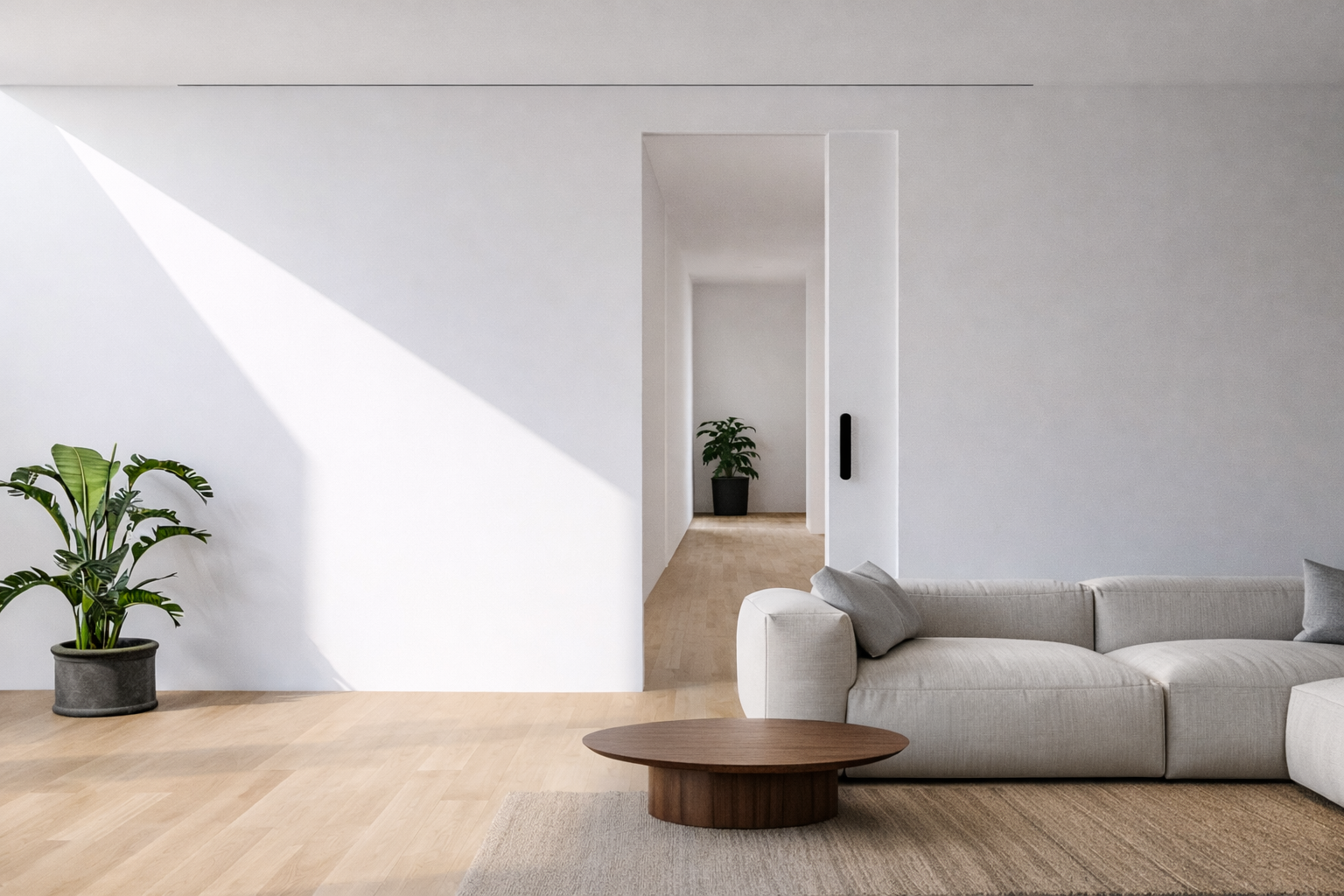
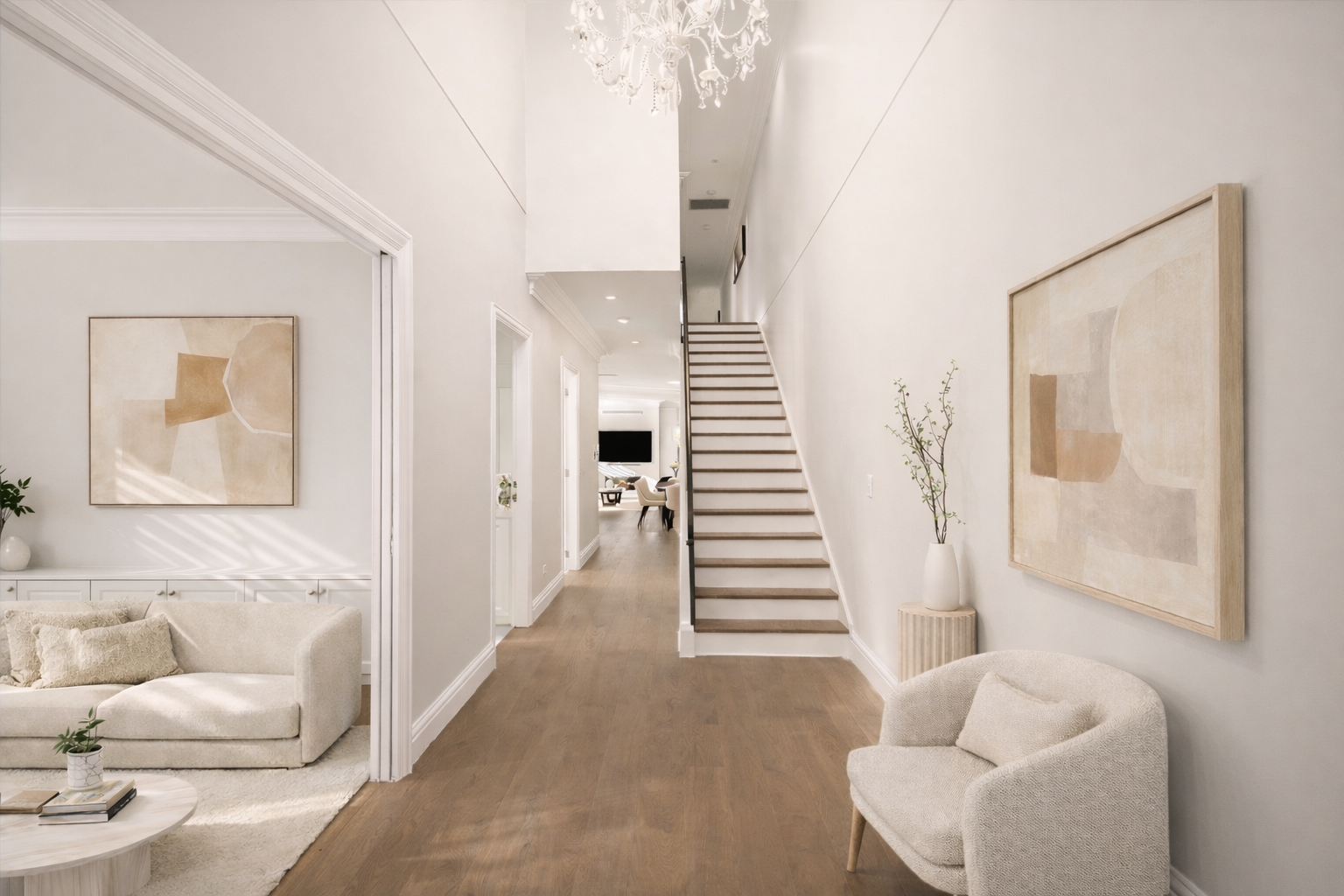
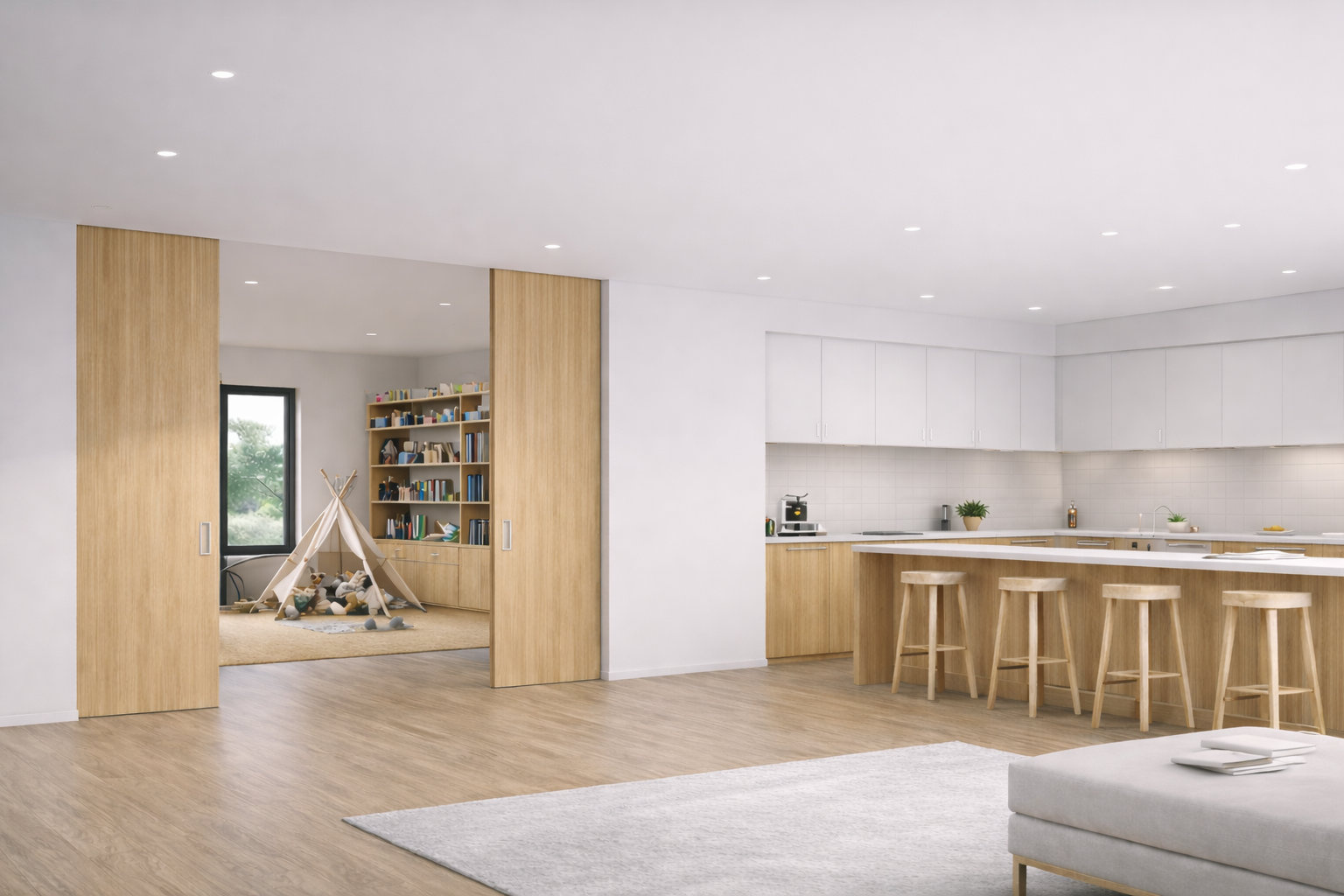
Cavity sliders are more than just functional hardware; they are a versatile design element that can redefine spaces.
Cavity sliders are more than just functional hardware; they are a versatile design element that can redefine spaces.
Publish Date
01.04.2026
Author
Jay Chen
As residential spaces continue to shrink, the pressure to maximise every square metre has never been greater. This is particularly evident in cities like Sydney and Melbourne, where compact living is driving new approaches to design. Architects and builders are increasingly looking for ways to improve functionality without expanding a home’s footprint.
One solution gaining strong traction is the use of cavity sliding door systems. By removing the need for swing clearance, these systems allow for more efficient layouts and better use of available space. Rooms can be designed with tighter proportions while still maintaining comfort and usability.
This shift does more than optimise floorplans—it also changes how spaces are experienced. Instead of being fixed and separated by traditional doors, areas can be opened up or closed off with ease. Living zones become more flexible, allowing homes to adapt to different needs throughout the day, whether that means creating privacy or enhancing openness.
Alongside their functional benefits, modern cavity sliders also contribute to a more refined aesthetic. Clean lines, square set finishes, and shadowline detailing eliminate the need for bulky trims or architraves. As a result, doors can sit almost invisibly within the wall, supporting a seamless and contemporary interior style.
To support this level of finish, newer systems incorporate integrated frame designs that simplify installation while improving precision. Built-in metal detailing allows plaster to finish flush against the opening, reducing the need for additional adjustments on site. This not only saves time but also ensures a sharper final result.
Consistency in alignment has also been addressed through thoughtful engineering. A recessed rebate within the frame helps conceal minor variations, maintaining a uniform gap along the door edge—even in taller installations where discrepancies are more likely to occur. The outcome is a cleaner, more controlled visual appearance.
Flexibility remains a key advantage of these systems. They are designed to accommodate a wide range of finishes, from standard plasterboard to heavier materials such as tile or stone. Adjustable internal supports allow for reinforcement to be added even after installation, making it possible to handle increased loads or integrate additional features without reopening the wall.
This adaptability extends to installation as well. Simplified fixing methods reduce labour time, while adjustable track systems allow for fine-tuning during setup. Doors can be aligned with greater accuracy, helping achieve a precise and consistent finish across different applications.
For larger or more dynamic spaces, double-track configurations offer even greater versatility. Multiple doors can be recessed or overlapped, allowing expansive areas to be divided or opened up as required. This makes them particularly effective in open-plan environments, guest zones, or multi-purpose living areas.
To further streamline the design process, detailed drawings and CAD files are typically available, enabling architects to incorporate these systems early in project planning. This integration supports better coordination on site and allows for more creative and efficient spatial layouts.
As expectations around both design and functionality continue to rise, cavity sliding systems are evolving beyond simple space-saving solutions. They are becoming an integral element in creating flexible, efficient, and visually cohesive interiors.